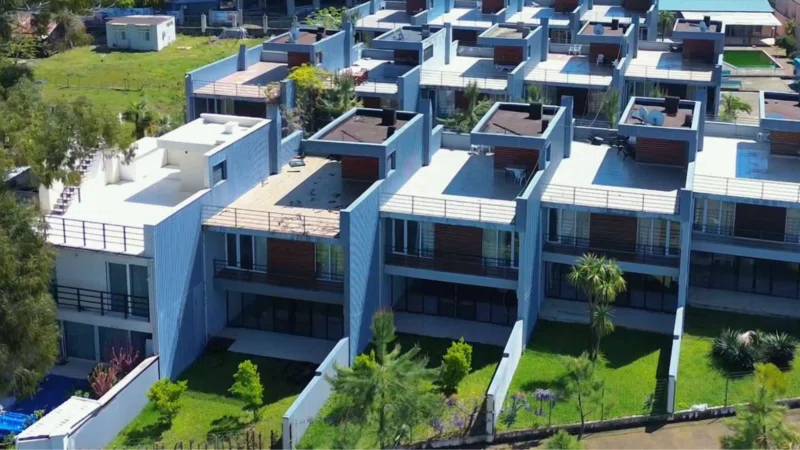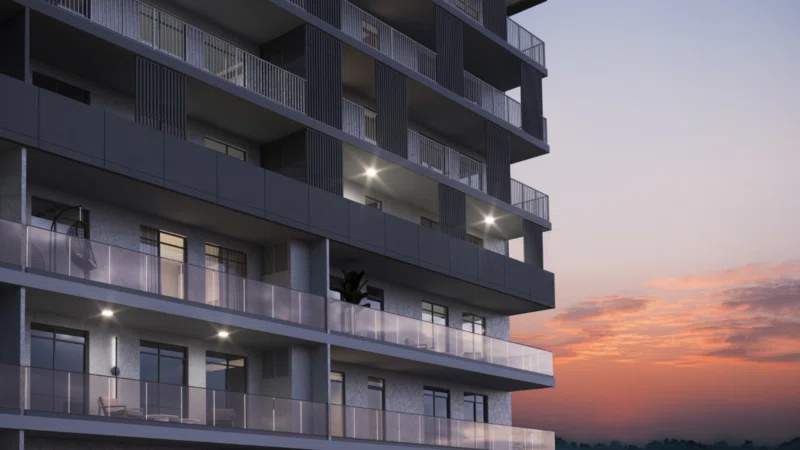
Object typeResidential
Completion date–
DeveloperArchi
Total areafrom 54 m² to 119 m²
Down Payment15%
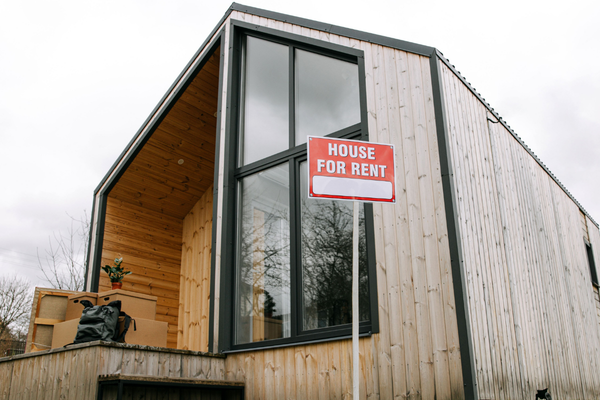
In 2026, rental property remains one of the most common ways to earn income from real estate in Georgia. But the final outcome depends heavily on the rental model: long-term leasing or short-term stays.
Let’s look at what affects rental rates, how these two options differ, and which one may be more profitable for a property owner.
Long-term rental is often chosen by owners who want regular income without constantly looking for new tenants. This format may be more profitable if the property meets several conditions:
The main benefit is predictability: leases are typically signed for several months or a year, payments follow a fixed schedule, and the apartment usually sees less wear and tear than with frequent guest turnover. Long-term rentals are also less exposed to seasonality, guest reviews, listing ratings, and changes in tourist demand.
According to Galt & Taggart, in May 2026 the average rental rate for a 50–60 m² apartment in Tbilisi was around 26.5 GEL per m² per month, while gross yield remained at 8.4%. According to SafeBuy, in August 2026 the median long-term rental rate was around 27 GEL per m² in Tbilisi and 30 GEL per m² in Batumi. Gross yield was estimated at approximately 7.2% in Tbilisi and 7.8% in Batumi. The rental rates were converted into lari using the exchange rate for the relevant period and do not include taxes, possible vacancy periods, repairs, building maintenance, agent commission, or replacement of furniture and appliances.
Demand for short-term rental is driven by short trips, business travel, and seasonal holidays. This format may be more profitable if the property meets several conditions:
The main upside is higher potential revenue: with strong occupancy, an apartment may earn more than it would as a long-term rental. At the same time, performance depends more on seasonality, listing ratings, reviews, competition, and the quality of day-to-day management.
According to AirDNA, in August 2026 there were around 7,810 active short-term rental listings in Tbilisi. The average annual revenue per property was around 26,900 GEL, average occupancy was 68%, and the average daily rate was around 115 GEL. Revenue and nightly rate figures were converted into lari using the exchange rate for the relevant period and reflect revenue, not net profit. Cleaning, consumables, platform fees, management, repairs, linen replacement, vacancy between bookings, and taxes should be deducted from this amount.
If an apartment often remains vacant, the advantage of a high nightly rate quickly decreases. This is especially important for seasonal destinations, where income from several active months does not always compensate for lower occupancy during the rest of the year.
There is no single answer: in 2026, long-term rental usually provides more predictable income, while short-term rental can generate more when occupancy is high. However, it requires regular management and depends more on seasonality, reviews, competition, and the condition of the property.
When choosing a format, it is important to consider not only the amount of income, but also the expenses that arise in each scenario. For long-term rental, these include possible vacancy periods between tenants, repairs, building maintenance, and agent commission. For short-term rental, they include cleaning, consumables, platform fees, booking management, faster wear of the apartment, and the risk of low occupancy outside the season.
It is worth comparing not the monthly rental rate with the nightly price, but the net income after all expenses. Only this calculation can show which format will be more profitable for a specific property.